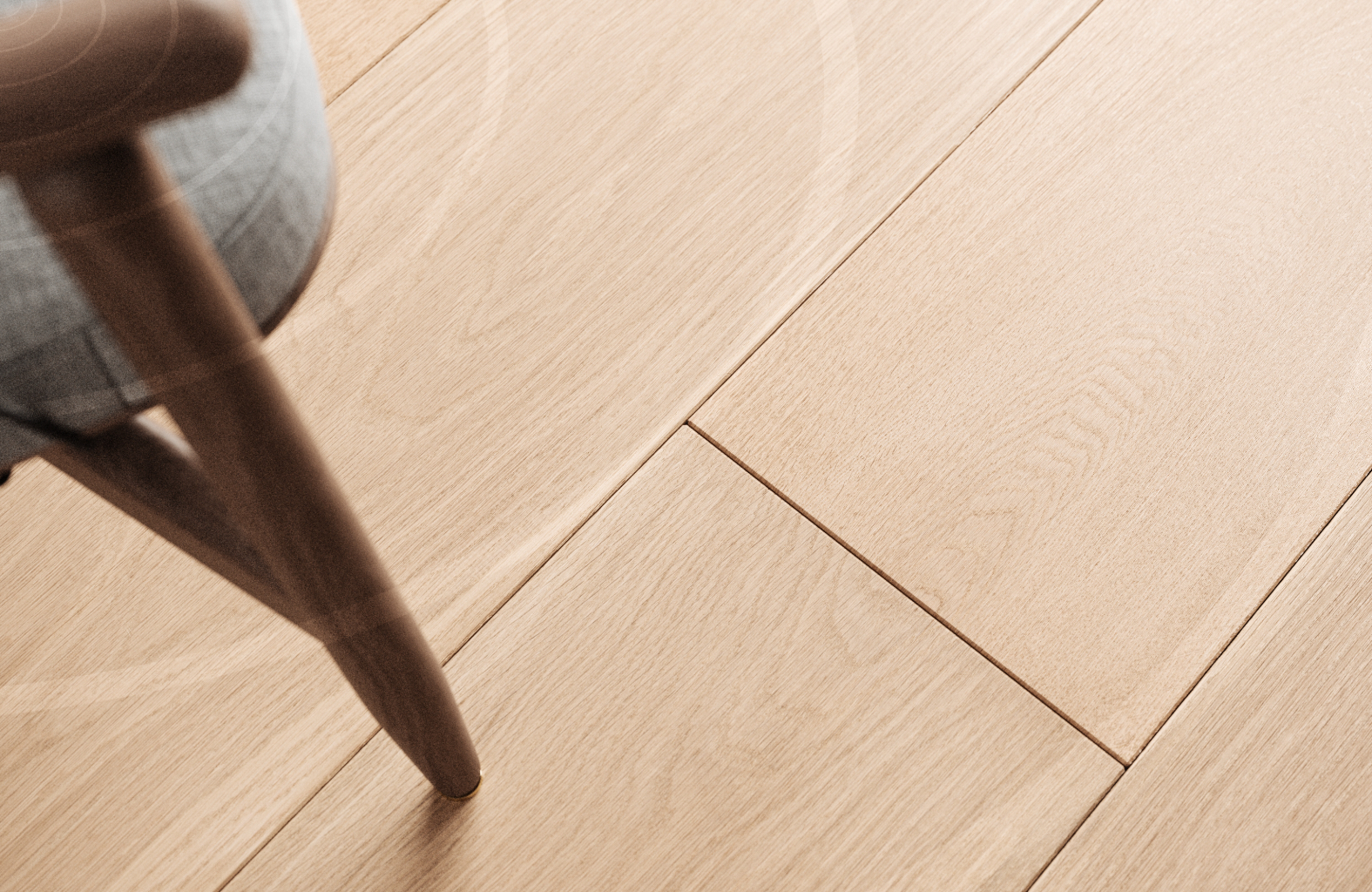
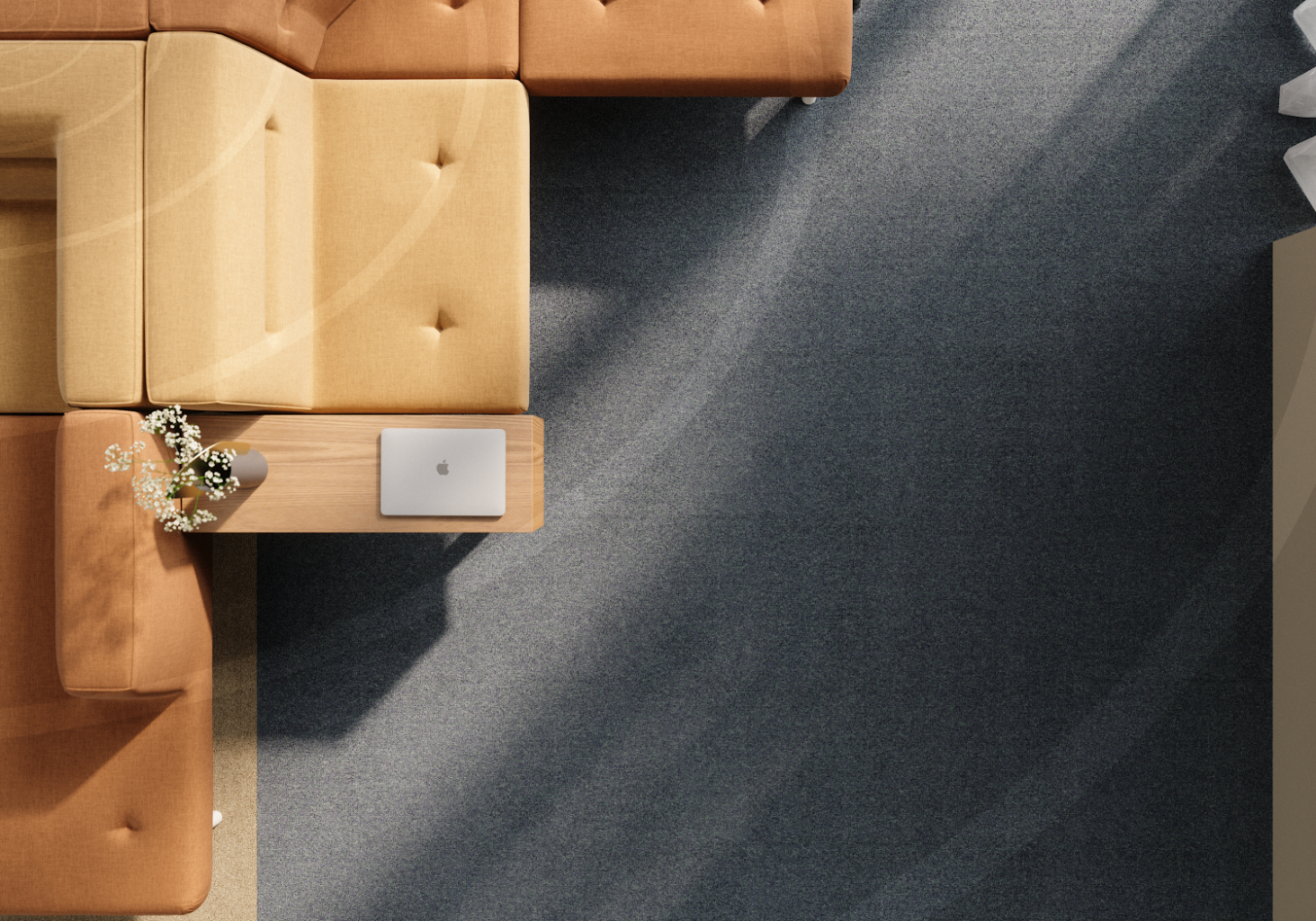
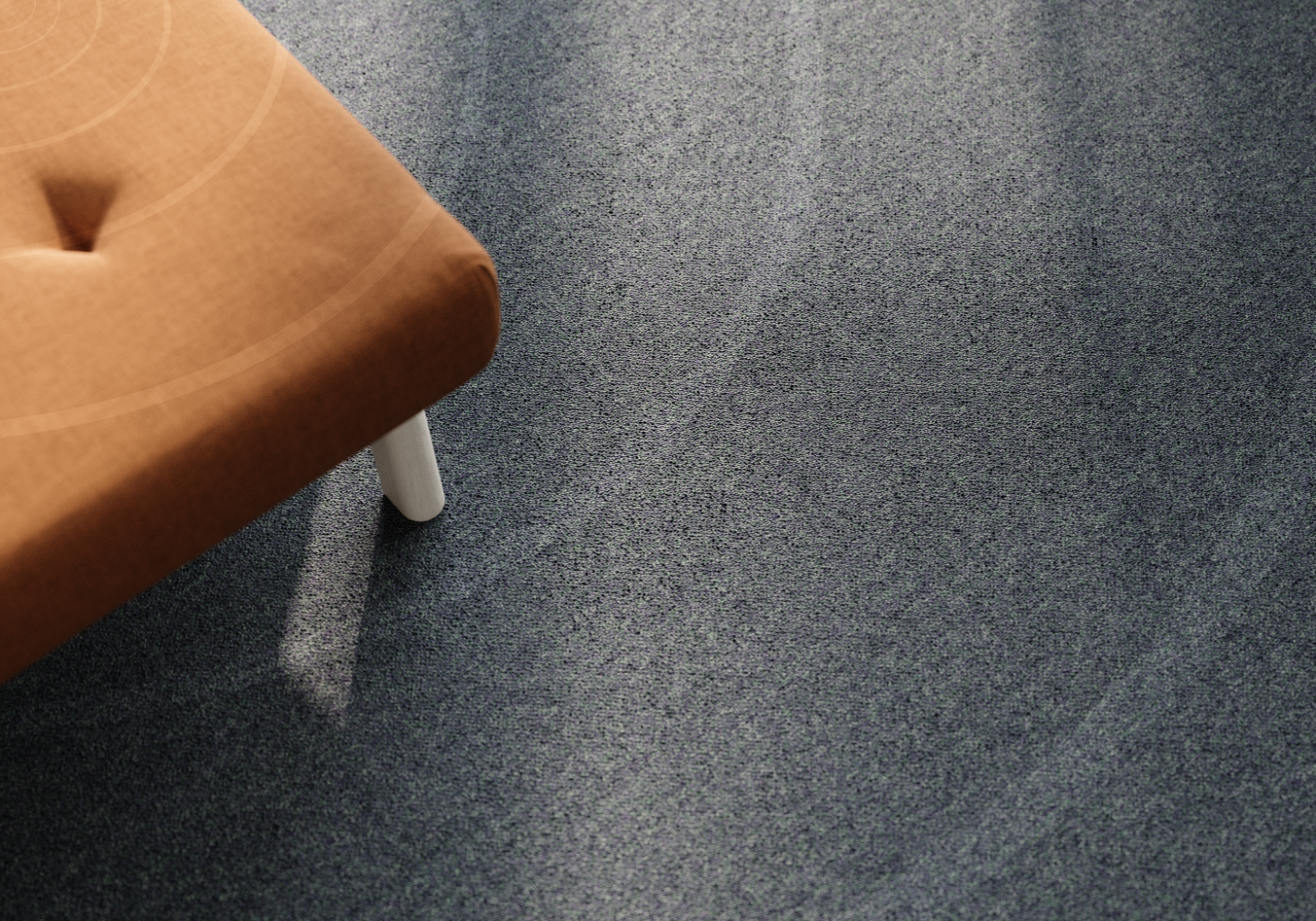
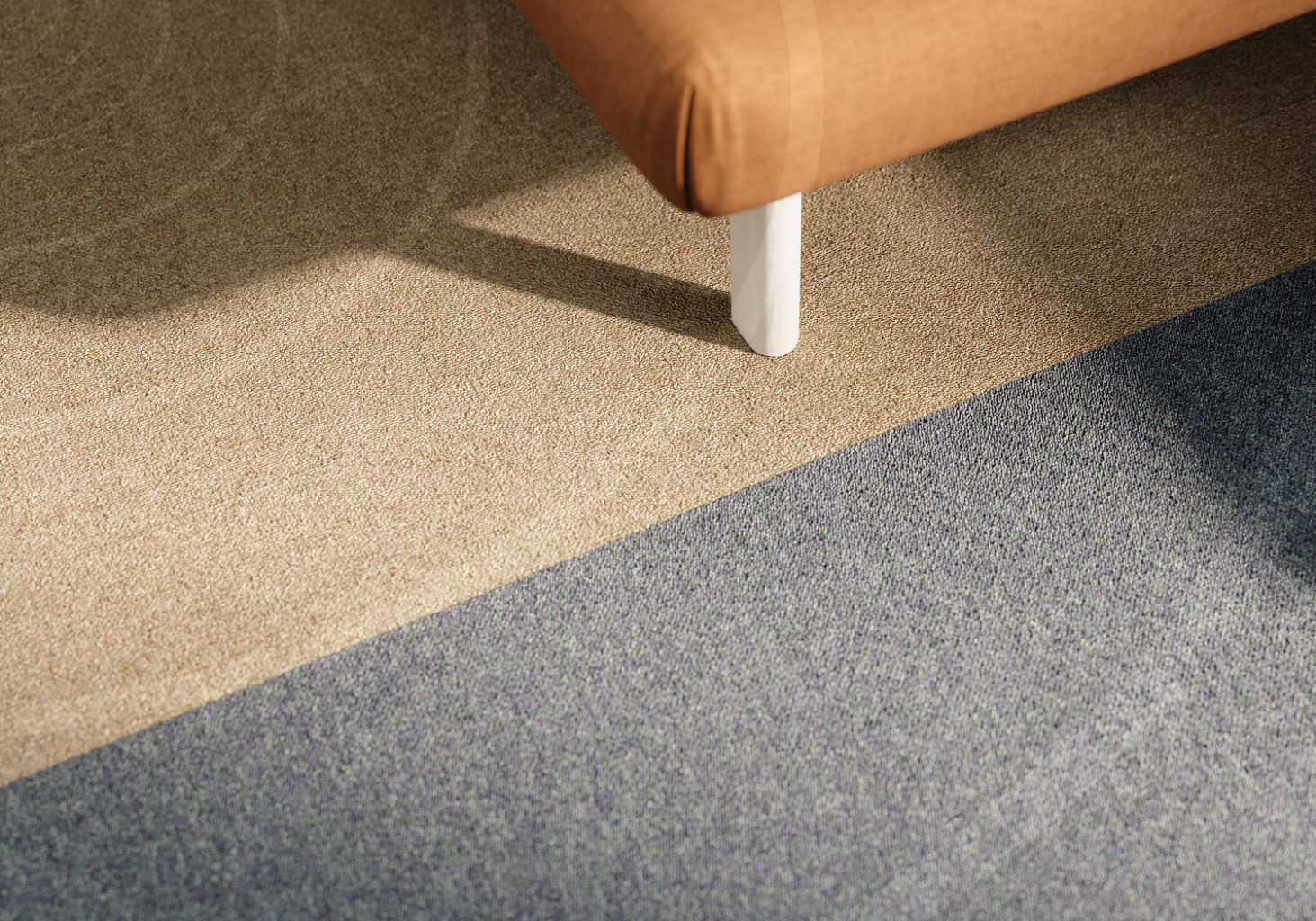
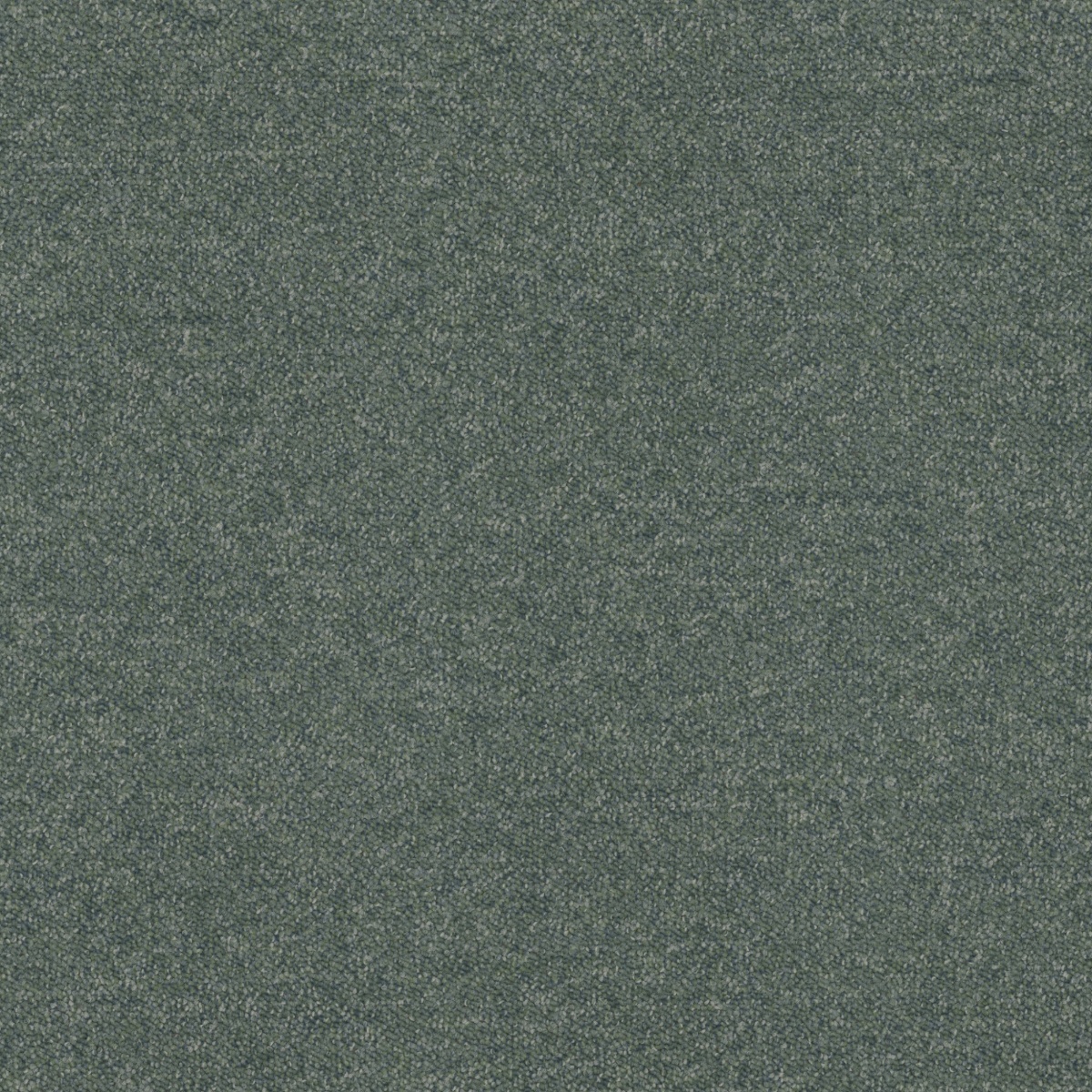
Cross-polarised, calibrated, and separated into five aligned channels. This makes the scan ready to render with any software package. With this, you have the right assets to create ultra-realistic visuals.
When taking photos with a camera or phone, problems arise. These scans won't be high-quality and won't be ready for rendering. A professional rig is needed for quality scans.
MOVE TO ZOOM · 1:1
100% · 1,016 DPI
Light intensity is unevenly spread. Even with the best light setup, there is still falloff, lens divergence and overlap to consider.
A professional setup will not only provide a flat color map, but also a normal, depth, translucency and reflectivity map.
Our scanner can scan at 60.000 x 45.000 pixels. On a surface that is 1,5x1m, that is ≈ 1,016 DPI!
Quality and sharpness matter to us! It is more flexible to use and it creates better renders.
We have a professional capture rig and pipeline to remove every imperfection — lighting, alignment, color, tiling.
Our scan-bed is 1 x 1,5m but it can scan almost any size. Contact us for more details if it is bigger than this.
The product is put on the bed. We try to fill the scan-bed as much possible to be as efficient as possible.
Albedo, normal, depth, reflectivity, translucency — tileable if you want and ready for a linear workflow.
File format on request. We ship 16-bit linear TIFF by default. The files will be downloadable from our portal.
Every scan is delivered as a pixel-aligned set that drops straight into any PBR pipeline — V-Ray, Corona, Redshift, Unreal, etc.
Colour and pattern, with all lighting and shadow removed. The material's true surface.
Per-pixel surface direction. This is what makes a render look like a real plank, not a print.
Sub-millimetre displacement. Useful for close-ups, walk-on views, macro shots.
How shiny each point is — matte fibre vs lacquered grain. Drives gloss and specular highlights in any PBR shader.
How light passes through a resin, ceramic, or wood finish. Optional channel.
Scan the collection once, render it into any room. Website, trade booth, configurator, press kit — all from the same source.
Match a real floor you'll actually install — not a generic Substance asset. Clients notice the difference before they can name it.
Preview a variant in context before committing to another physical production run. Good for press, better for approvals.
You pay for what we scan. Collections, full-product catalogues, and ongoing R&D work get a volume rate — get in touch.
One sample. Full bundle. For prototypes, one-off shots, or trying us out.
Scanning a whole product line at once. Ship six or more samples together and we capture them as a matched set.
Monthly scanning volume for brands in active R&D or seasonal launches.
Both. For a single sample, shipping is faster and cheaper. For a full collection or anything fragile, we travel — we have a portable rig and we've scanned in factories and showrooms across Europe.
We handle it like a print. Cotton gloves, neutral backing, no chemicals. It sits on the rig for about 45 minutes and ships back by courier the same day, insured.
Yes — we segment-scan and stitch. Overlap is built into the pipeline. Add about half a day per additional segment.
You do. Scans are delivered with full commercial rights and a signed NDA by default. We don't resell, relicense, or put them in a stock library.
Yes. Ship us the reference alongside the sample and we'll calibrate the scan's colour to match under a specified viewing light.
Handled. Our cross-polarised capture removes specular glare at source; the gloss is reconstructed from a separate pass and delivered as a specular map on request.
Tell us what you're scanning and we'll send back a quote, a shipping label, and a scheduled capture slot within a working day. Send us a sample and we'll scan it for free — decide later whether to commit.